

How to prevent lower cabinets from warping?
Nov 18, 2026
Leave a message
As a seasoned supplier of lower cabinets, I've witnessed firsthand the challenges that come with keeping these essential pieces of furniture in top - notch condition. Warping is one of the most common and frustrating issues that cabinet owners face. In this blog, I'll share some effective strategies to prevent lower cabinets from warping, ensuring their longevity and functionality.
Understanding the Causes of Warping
Warping in lower cabinets is typically caused by changes in humidity and temperature. Wood, the most common material for cabinets, is a hygroscopic material, which means it absorbs and releases moisture based on the surrounding environment. When the humidity is high, the wood absorbs moisture and expands. Conversely, in low - humidity conditions, it loses moisture and contracts. These constant expansions and contractions can lead to warping over time.
Another factor is improper installation. If the cabinets are not installed level or if the fasteners are not tightened correctly, it can put stress on the wood, causing it to warp. Additionally, excessive weight on the cabinets, especially in the case of overloading the shelves, can also contribute to warping.
Selecting the Right Materials
The first step in preventing lower cabinet warping is to choose the right materials. Some woods are more resistant to warping than others. For example, hardwoods like oak, maple, and cherry are denser and more stable than softwoods such as pine. These hardwoods have a tighter grain structure, which makes them less likely to absorb and release moisture rapidly.
Engineered wood products, such as plywood and medium - density fiberboard (MDF), can also be good options. Plywood is made by gluing together multiple layers of wood veneers, with the grain of each layer running perpendicular to the next. This cross - graining gives plywood excellent stability and reduces the risk of warping. MDF is made from wood fibers that are compressed and bonded together, creating a uniform and stable material.
When selecting materials, it's also important to consider the finish. A high - quality finish acts as a barrier, preventing moisture from penetrating the wood. Look for finishes that are water - resistant and durable, such as polyurethane or lacquer.
Controlling the Environment
One of the most effective ways to prevent lower cabinet warping is to control the environment in which they are installed. Maintaining a consistent humidity level is crucial. The ideal humidity range for wood cabinets is between 30% and 50%. You can use a hygrometer to monitor the humidity in your home or office.
If the humidity is too high, you can use a dehumidifier to remove excess moisture from the air. On the other hand, if the humidity is too low, a humidifier can add moisture to the air. In areas with extreme temperature and humidity fluctuations, such as basements or bathrooms, it's especially important to take these measures.
Avoid placing lower cabinets near sources of heat or moisture, such as radiators, stoves, or sinks. The heat can cause the wood to dry out and contract, while the moisture can lead to swelling. If possible, install a ventilation system in the room to ensure proper air circulation.
Proper Installation
Proper installation is key to preventing lower cabinet warping. Make sure the cabinets are installed on a level surface. Use a spirit level to check the horizontal and vertical alignment of the cabinets during installation. If the surface is uneven, you may need to use shims to level the cabinets.
When installing the cabinets, use the correct fasteners and ensure they are tightened properly. Over - tightening or under - tightening the fasteners can put stress on the wood and cause warping. Follow the manufacturer's instructions carefully during the installation process.
Regular Maintenance
Regular maintenance is essential to keep lower cabinets in good condition. Clean the cabinets regularly with a soft, damp cloth to remove dust and dirt. Avoid using abrasive cleaners or harsh chemicals, as these can damage the finish and make the wood more susceptible to moisture.
Inspect the cabinets periodically for signs of warping, such as gaps between the doors or drawers, or a visible curvature in the cabinet panels. If you notice any signs of warping, take action immediately. You can try adjusting the hinges or drawer slides to correct minor misalignments. For more severe warping, you may need to consult a professional cabinetmaker.
Using Reinforcement Techniques
In some cases, you can use reinforcement techniques to prevent lower cabinet warping. For example, you can install corner braces or cross - bracing inside the cabinets. These braces add structural support and help to distribute the weight evenly, reducing the stress on the wood.
Another option is to use metal or plastic inserts in the cabinet joints. These inserts can strengthen the joints and prevent them from coming apart due to warping.
Specific Product Recommendations
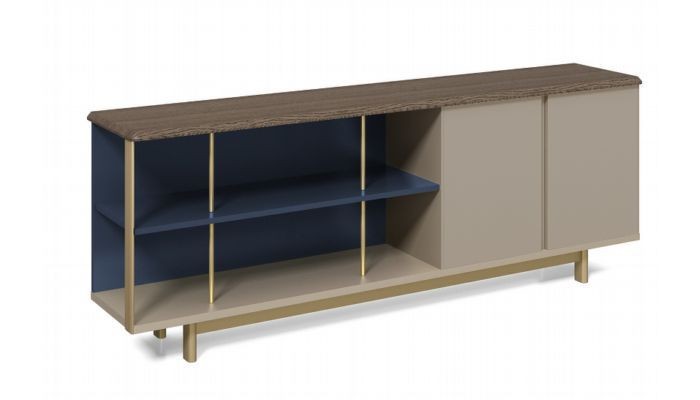
If you're in the market for lower cabinets, I'd like to recommend some of our high - quality products. Check out our Side Cabinet Office, which is designed with durability in mind. It's made from high - quality materials and features a water - resistant finish, making it less likely to warp.
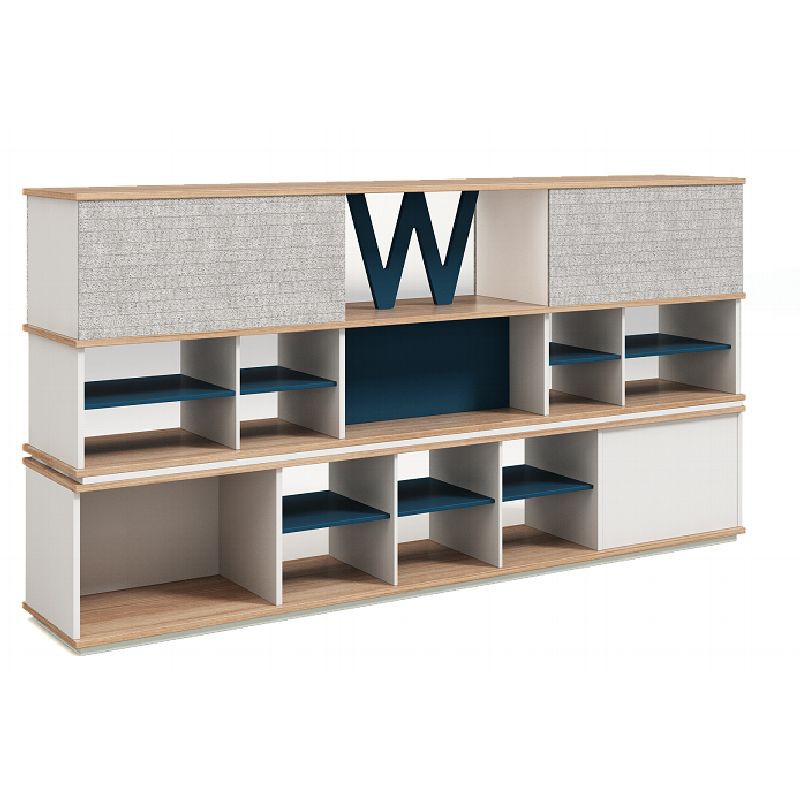
Our Cabinet for Room Divider is another great option. It not only serves as a functional storage unit but also adds a stylish touch to your space. The cabinet is constructed using engineered wood products, which offer excellent stability.
For a more traditional look, our Cabinet Side Board is a perfect choice. It's crafted from solid hardwood and has a beautiful finish that protects the wood from moisture and warping.
Conclusion
Preventing lower cabinet warping requires a combination of proper material selection, environmental control, correct installation, regular maintenance, and reinforcement techniques. By following these strategies, you can ensure that your lower cabinets remain in excellent condition for years to come.
If you're interested in purchasing high - quality lower cabinets or have any questions about preventing warping, I encourage you to reach out to us. Our team of experts is ready to assist you in finding the perfect cabinets for your needs and providing you with valuable advice on cabinet care.
References
- "Wood Handbook: Wood as an Engineering Material." Forest Products Laboratory.
- "Cabinetry Design and Installation Guide." National Kitchen and Bath Association.